
Legfrissebb hírek


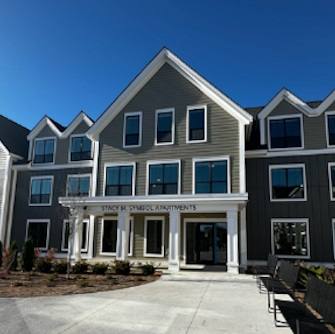

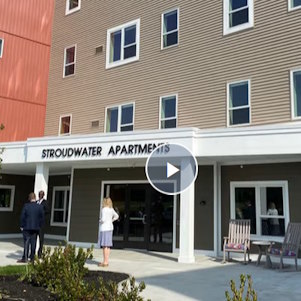
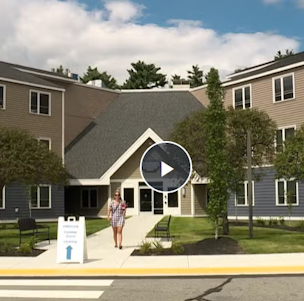

 Biddeford üdvözli azt a megfizethető lakásfejlesztőt, akit a cumberlandi szavazók elutasítottak

Westbrook jegyzetek
Egyesült Államokon kívül. A lakás- és városfejlesztési igazgatóhelyettes, Rich Monocchio hétfőn meglátogatta a Westbrook Housing Authority ingatlanait, július 24.
 Westbrook rendőrség
Köszönet a közösségnek, üzleti partnereink, és a Westbrook Housing, van 60+ kellékekkel megrakott hátizsákok, amelyeket ma este adományozhatunk a helyi diákoknak a National Night Out rendezvényen! Köszönet mindenkinek, aki adományozott és segített ennek elősegítésében!

500-egység Westbrook lakásprojekt rajztáblán
 Új megfizethető lakások jóváhagyása Westbrook számára
 55 lakások, amelyeket a Westbrook Gimnáziummal szemben helyeztek el
 Egy idősebb bérház halad előre Westbrookban
Nyilvános közlemények

Hogyan szerezte meg Westbrook Housing az ország korábbi szövetségi HUD-főnökét
Írta: Robert Lowell Staff Writer
John Concannon portlandi születésű, az Egyesült Államok korábbi igazgatója. Department of Housing és Városfejlesztési, a Westbrook Housing Authority új ügyvezető igazgatójaként telepszik le.
Concannon lélegzetet vesz, miközben forrásokat keres a helyiek számának bővítésére, megfizethető lakások.
“Fokozottan figyeljük a szövetségi költségvetést,” – mondta Concannon a Westbrook Housing konferenciatermében. “Figyeljük, mi történik.”
Concannon júniusban fejezte be HUD igazgatói feladatait, és júliusban vette át a gyeplőt 1 a Westbrook háznál, Chris Laroche utódja, aki nyugdíjba ment. A lakásügyi hatóság héttagú biztosi testülete országos kutatás után alkalmazta Concannont.
“Nagyon kaptunk, nagyon szerencsés, hogy megszereztem őt,” Colette Gagnon, a Westbrook Housing Board of Commissioners elnöke, – mondta egy hétfői telefonhívásban.
A Szent Kereszt Katolikus Jezsuita Főiskolán végzett, Concannon önkéntesként jelentkezett egy jezsuita programba, hogy segítsen a Los Angeles-i Skid Row hajléktalanjainak 2003, és Chicagóban is szolgált hasonló feladatot addig 2006. Az érettségi után, sikeresen jelentkezett egy állásra a HUD-nál, életpályára szoruló emberek megsegítésére irányuló karrier elindítása.
Concannont Barack Obama elnök hivatali ideje alatt vették fel, akivel ezt követően egy karácsonyi bulin találkozott a Fehér Házban.
ben a HUD igazgatóhelyettesévé léptették elő 2018 és decemberben igazgató lett 2022. Concannon irodája a HUD épületében volt, közvetlenül a National Mall mellett, az ország fővárosában. A HUD titkári irodája a legfelső emeleten volt.
Concannon három elnök alatt szolgált. “Jelentettem egy helyettes HUD titkárnak,” – mondta.
A HUD-nál, Concannon az innovatív politikák kidolgozására összpontosított a lakhatási lehetőségek bővítése érdekében, hogy több ember javára váljon, és felügyelte a személyzetet az egész országban.. -vel dolgozott 140 lakásügynökségek országszerte, szolgáló 600,000 családok. “Sokat kell utaznunk,” – mondta.
Jóval a Westbrook poszt leszállása előtt, négy éve költöztette ide családját. Ő és a felesége, Ann, két gyermeke van, korok 5 és 2.
Concannon a portlandi Cheverus High Schoolban focizott, és a 1998 diplomás. Felesége Deering végzettségű, de Philadelphiában találkoztak, ahol egykor élt, miközben a HUD-nak dolgozott.
Jelentkezett a Westbrook Housing megnyitására, miután egy maine-i kormányzati kapcsolattól értesült annak elérhetőségéről. Gagnon fiatalosnak és jó humorúnak jellemezte Concannont.
Washingtoni bennfentesként, Concannon kinevezése a Westbrook Housingnál működik “a mi javunkra,”– mondta Gagnon.
Westbrook háznak 14 tulajdonságokkal 1,800 háztartásokat, és azt tervezi, hogy követi a Laroche által megállapított növekedési pályát.
Concannon elmondta, hogy a Westbrook Housing meghívást kapott Biddefordba, ahol négy projektje van folyamatban.. Laroche-t és a polgármester által kinevezett biztosi testületet köszöni “jól működő szervezet.”
Ő fogja felügyelni a személyzetet 50 alkalmazottai, és találkozott velük.
Élvezi a laza sétákat, miután otthagyta a futást, hogy elkapja 6 a.m. járatok Portlandből Washingtonba és bejelentkezés szállodákba.
Most itthon, nyert időt, amit a családjával tölthet, és neki és feleségének is vannak rokonai Portland környékén.

LaRoche visszavonul a Westbrook Housing pozícióból
Írta: Robert Lowell Staff Writer
Chris LaRoche hétfőn visszavonul, június 30, több mint egy évtized után a Westbrook Housing ügyvezető igazgatójaként. John Concannon, egy portlandi bennszülött, LaRoche utódjának nevezték ki. Concannon az Egyesült Államokban a rendezői pozícióból érkezik Westbrookba. Lakás- és Városfejlesztési Minisztérium Washingtonban, D.C.
“Odaadom neki a kulcsokat,” LaRoche mondta egy interjúban June 20 a westbrooki irodájában.
LaRoche már több mint az ügyvezető igazgató 12 év. “kicsit fáradt vagyok,” – mondta. “A nyarat pihenni fogom.”
Azt tervezi, hogy a családjával tölt időt, és tiltakozik a demokráciáért. LaRoche York megyében él, és önkéntes munkát tervez, tiltakozás, és részt vesz a University of New England és az UMaine System tanfolyamokon. “Alig várom, hogy a közösség tagja lehessek,” – mondta. “A legnagyobb dolog az, hogy visszaadom a közösségnek – szeretném kiosztani a szendvicseket.”
Westbrook Ház, alapítva 1969 és a polgármester által kinevezett biztosokból álló testület felügyeli, megfizethető lakhatási lehetőséget biztosít 793 egységek be 14 fejlesztéseket. “Körülbelül 40%-ot nőttünk” – mondta a hivatali idejére utalva.
Az ügynökség több mint 1,000 utalványok egy szakaszban 8 programot, így a kisjövedelmű lakosok magántulajdonban lévő lakásokban lakhatnak a városban.
A Westbrook Housing teljes költségvetése, valamint a Westbrook Development Corp. éves működési kiadása van $20 millióval $130 milliós összvagyon.
LaRoche az ügyvezető igazgató munkáját kifizetődőnek és megerőltetőnek nevezte. LaRoche felügyelte a személyzetet 50 alkalmazottai, és felelősséget érzett irántuk. “A stressz megszűnik,” – mondta.
Egykori katolikus pap, A parti őrség és a haditengerészet veteránja, LaRoche a York County Community Action Corp.-nál kezdte közszolgálatát. Kalandra indult, hogy kiránduljon a 2,182 mérföldekre az Appalache-ösvénytől a Mt. Katahdin Maine-ből Georgiába. “Minden mérföldre,” – mondta.
Számos csörgőkígyót látott, és ezután abbahagyta a medvék számolását 25. Egyik reggel 5 órakor. egy medve volt közvetlenül a sátra előtt, de elsétált. “Ez felkeltette a figyelmemet,” – mondta.
Az ösvény mentén, sokféle emberrel találkozott; hajléktalanokkal, valamint egy nagyvállalat felsővezetőjeként túrázott.
Egy baby boomer, LaRoche Gardnerben nőtt fel, Massachusetts, egy közösség, amelyet úgy jellemez, mint Westbrook. Azt mondta, hogy Westbrook elfogadta őt a sajátjaként, amikor John Gallagher utódja lett a Westbrook Housingnál.. „Az emberek, akiket szolgálunk, mindennaposak, rendes emberek, akik keményen dolgoztak,” – mondta.”A szükség nagy … (és) Remélem, Westbrook lakói úgy érzik, hogy én is úgy szolgáltam őket, mint Johnt.”
Dicséri Westbrook önkéntességét és közösségi büszkeségét. “Maine állam egész területén dolgoztam, és nincs olyan közösség, mint Westbrook,” – mondta.
A hónap elején egy szertartáson, David Morse polgármester átadta LaRoche-nak a város kulcsait, és méltatta LaRoche-t “hihetetlen erőforrás” aki dolgozott “fáradhatatlanul.”

06/16/2025
Nagy örömömre szolgál, hogy bemutathatom Mr. John Concannont Westbrook város lakásügyi hatóságának ügyvezető igazgatójaként. Nyugdíjba vonulásomkor, június 30-tól hatályos, John vezeti a Lakáshatóságot és a Westbrook Development Corporationt a következő korszakban, hogy előmozdítsa a szegénység felszámolását és a gazdasági lehetőségek növelését a közösség és a régió számára elérhető minőségi lakhatás révén.. A biztosok testületét dicséret illeti a John Concannon kiválasztásával kialakított víziójáért és küldetésünk iránti elkötelezettségéért, valamint a szervezet jövője felé vezető elképzeléséért és szakértelméért..
Ahogy elmegyek, Szeretném megköszönni a nagy elkötelezettséget, szakmai, gondoskodó, és ügyes kollégáim, akikkel olyan szerencsés vagyok, hogy mellettem lehetek. Velük tudtunk a teljesítmény csúcsán maradni, és bővíteni tudtuk programjainkat és produkcióinkat az elmúlt tizenkét évben.. Örökké hálás vagyok a Westbrook Housing Authority és a Westbrook Development Corporation munkatársainak.
Örökre hálás és megtiszteltetés számomra, hogy szolgálhattam a Westbrook Housing támogató és jövőbe látó biztosi tanácsát és a Westbrook Development Corporation igazgatótanácsát.. Megtiszteltetés és megtiszteltetés volt szolgálni Westbrook város lakosságát, mivel megtiszteltetés számomra, hogy az elkötelezett városvezetés és a választott tisztségviselők mellett szolgálhatok, akik szorgalmasan támogatták a Lakáshatóságot és az én szerepemet a minőségbiztosításban., biztonságos, megfizethető lakhatás a környéken.
Tiszteletteljesen,
Christopher LaRoche
Ügyvezető igazgató
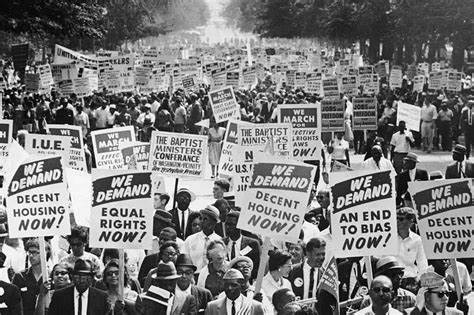
A Westbrook Housing Authority büszke arra, hogy ünnepel, előmozdítása, és betartva a Az állampolgári jogok méltányos lakhatásáról szóló törvény 1968 ahogy elismerjük a Fair Housing Act és Lyndon Johnson elnök válaszát az Amerikai Egyesült Államok népének szükségleteire. „…amikor a Rev. Dr. Martin Luther King, ifj. áprilisában meggyilkolták 4, 1968, Lyndon Johnson elnök felhasználta ezt a nemzeti tragédiát, hogy sürgesse a törvényjavaslat gyors kongresszusi jóváhagyását.. Mivel a 1966 nyílt lakhatási felvonulások Chicagóban, Dr. King neve szorosan összefüggött a tisztességes lakhatási törvényekkel. Johnson elnök úgy tekintett a törvényre, mint a férfi életművének megfelelő emlékműre, és azt kívánta, hogy a törvényt azelőtt fogadják el, hogy dr. King temetése Atlantában. Lyndon Johnson elnök aláírja a méltányos lakhatásról szóló törvényt 1968.
A tisztességes lakhatásról szóló törvény 1968 tiltott diszkrimináció az értékesítéssel kapcsolatban, faji alapú lakásbérlet és -finanszírozás, vallás, nemzeti származás vagy nem. évi polgárjogi törvény folytatásaként készült 1964, a törvényjavaslat vitatott vita tárgyát képezte a szenátusban, de a képviselőház gyorsan elfogadta a Martin Luther King polgárjogi vezető meggyilkolása utáni napokban., ifj. A tisztességes lakhatásról szóló törvény a polgárjogi korszak utolsó nagy jogalkotási vívmánya. [Forrás: Tisztességes lakhatási törvény 1968, Szövetségi & Meghatározás | TÖRTÉNELEM ]
A vásári LAKÁS TÖRTÉNETE
Áprilisban 11, 1968, Lyndon Johnson elnök aláírta a polgárjogi törvényt 1968, évi polgárjogi törvény folytatásának szánták 1964. A 1968 törvény kibővítette a korábbi törvényeket és megtiltotta az értékesítéssel kapcsolatos diszkriminációt, bérlet, és a lakhatás faji alapú finanszírozása, vallás, nemzeti hovatartozás, szex, (és a módosítások szerint) fogyatékosság és családi állapot. A törvény VIII. címe méltányos lakhatási törvényként is ismert (-ból 1968).
A tisztességes lakhatásról szóló szövetségi törvény áprilisi hatályba lépése 11, 1968 csak egy hosszú és nehéz út után jött. Tól 1966-1967, A kongresszus rendszeresen fontolóra vette a tisztességes lakhatási törvényjavaslatot, de nem sikerült elég erős többséget szereznie az elfogadáshoz. azonban, amikor a Rev. Dr. Martin Luther King, ifj. áprilisában meggyilkolták 4, 1968, Lyndon Johnson elnök felhasználta ezt a nemzeti tragédiát, hogy sürgesse a törvényjavaslat gyors kongresszusi jóváhagyását.. Mivel a 1966 nyílt lakhatási felvonulások Chicagóban, Dr. King neve szorosan összefüggött a tisztességes lakhatási törvényekkel. Johnson elnök úgy tekintett a törvényre, mint a férfi életművének megfelelő emlékműre, és azt kívánta, hogy a törvényt azelőtt fogadják el, hogy dr. Király temetése Atlantában.
Egy másik jelentős probléma ebben az időszakban a vietnami áldozatok növekvő listája volt. A vietnami halálesetek a fiatalokat sújtották leginkább, szegény afroamerikai és spanyol gyalogosok. azonban, hazai fronton, ezek a férfiak családjai faji vagy nemzeti származásuk miatt nem vásárolhattak vagy bérelhettek lakást bizonyos lakóépületekben. Speciális szervezetek, mint például a NAACP, a GI Fórum, az Ingatlanközvetítők Országos Szövetsége (Nem működik) és a Lakhatási Diszkrimináció Elleni Nemzeti Bizottság keményen lobbizott azért, hogy a Szenátus fogadja el a tisztességes lakhatásról szóló törvényt és orvosolja ezt az egyenlőtlenséget. Edward Brooke és Edward Kennedy massachusettsi szenátorok mélyen érveltek a törvény elfogadása mellett.. Különösen, Brooke szenátor, az első afro-amerikai, akit népszavazással választottak be a szenátusba, személyesen beszélt arról, hogy visszatért a második világháborúból, és faja miatt nem tudott otthont biztosítani új családjának..
Azzal, hogy a városok lázonganak, miután dr. King meggyilkolása, és a pusztítás az Egyesült Államok minden részén, Johnson elnök és a kongresszusi vezetők szavai megkongatták a Képviselőház ész harangját, aki ezt követően elfogadta a tisztességes lakhatásról szóló törvényt. Vita nélkül, a Szenátus követte a Házat a törvény elfogadásában, amelyet Johnson elnök azután aláírt a törvénybe.
A törvényt adminisztráló első tisztviselők kinevezésének joga Johnson elnök utódjára hárult, Richard Nixon. Nixon elnök meghallgatta Michigan akkori kormányzóját, George Romney, lakásügyi és városfejlesztési miniszteri posztra. Kormányzói szolgálata közben, Romney államtitkár sikeresen kampányolt egy állam alkotmányos rendelkezésének ratifikálásáért, amely tiltja a diszkriminációt a lakhatás terén. Nixon elnök Samuel Simmonst is kinevezte az egyenlő lakhatási esélyegyenlőségért felelős első titkárhelyettesnek.
Mikor április 1969 megérkezett, A HUD alig várta, hogy megünnepelje a törvény 1. évfordulóját. Abban az alapítási évben, A HUD befejezte a VIII. címû terepi műveletek kézikönyvét, és hivatalos panasztételi eljárást indított. Igazán ünnepi stílusban, A HUD gálaestnek adott otthont a New York-i Plaza Hotel Grand Ballroom termében. Az egész nemzetből, jogvédők és politikusok osztoztak ezen a csodálatos estén, köztük az egyik szervezet, amely az egészet elindította — a lakhatási diszkrimináció elleni nemzeti bizottság.
A következő években, a tisztességes lakhatás hónapjának megünneplésének hagyománya egyre nagyobb lett. A kormányzók kiáltványokat kezdtek kiadni, amelyek áprilist jelölték ki “Tisztességes lakhatás hónapja,” és az iskolák országszerte szponzoráltak plakát- és esszéversenyeket, amelyek a méltányos lakhatás kérdésére összpontosítottak. E versenyek regionális győztesei gyakran élvezték a washingtoni utazásokat, DC a HUD és kongresszusi képviselőik részvételével zajló eseményekhez.
A korábbi titkárok alatt, James T. Lynn és Carla Hills, a Lakásépítők Országos Szövetsége közreműködésével, Ingatlanközvetítők Országos Szövetsége, és az American Advertising Council, ezek a csoportok méltányos lakhatást választottak témájuknak és biztosítottak “ingyenes” óriásplakát hely az egész országban. Ezek a nagy, 20 x 14 méteres hirdetőtáblák a tisztességes lakhatás üzenetét helyezték el a környéken, ipari központok, agrárrégiók és városmagok. Minden régiónak megvoltak a maga ünnepei is, találkozók, vacsorák, versenyek és rádió-televíziós műsorok, amelyekben a HUD szerepelt, állami és magán vásári lakhatási szakértők és tisztviselők. Ezek az ünnepségek folytatják a törvény eredeti passzusának szellemét, és szeretettel emlékeznek rájuk azok, akik a kezdetektől ott voltak. [Forrás: A tisztességes lakhatás története – HUD | HUD.gov / Egyesült Államokon kívül. Department of Housing és Városfejlesztési (HUD) ]