
Xov xwm tseeb


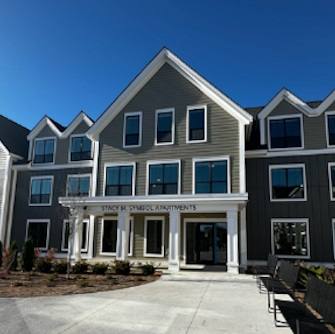

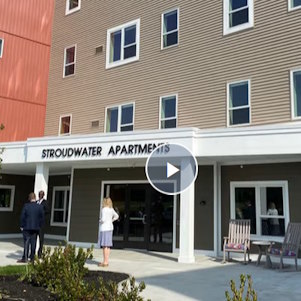
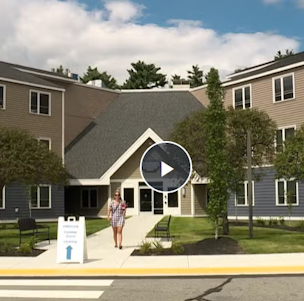

 Biddeford txais tos affordable tsev tsim tawm spurned los Cumberland pej xeem los tuav

Westbrook Notes
TUAJ. Tsev thiab Urban Development Principal Deputy Assistant Secretary nplua nuj Monocchio toured Westbrook tsev cai zog hnub Monday, Lub Xya Hli Ntuj 24.
Los ntawm cov American Journal
 Westbrook tub ceevxwm
Tsaug lub zej zog, Peb cov neeg ua hauj lwm nrog ib tug neeg ua, thiab Westbrook tsev, Wb muaj 60+ backpacks loaded nrog khoom siv uas peb yuav tau pub rau cov me nyuam kawm ntawv hauv zos hmo no thaum lub teb chaws hmo tawm! Ua tsaug rau sawv daws pub thiab pab txhawb qhov no!

500-Chav tsev Westbrook peb tes num rau drawing board
 Tshiab affordable tsev nyob pom zoo rau Westbrook
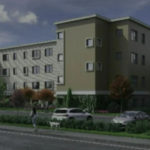 55 Chav tsev kawm ntawv pom zoo rau qhov chaw nyob ntawm Westbrook High School
 Senior chav tsev txav mus rau pem hauv ntej hauv Westbrook
Tsev ntawv ceeb toom
New FY 2027 Draft Annual Plan
Lub yim hli ntuj 17, 2026
Tus FY2027 Annual PHA Plan supplements WHA’s 5-Year Plan, covering FY 2025 through FY 2029, and provides updates for its established goals. Further, the Plan certifies to HUD that WHA is complying with federal regulations and requirements.
There will be a public hearing on Tuesday, Lub kaum hli ntuj 6, 2026, ntawm 9:00am, at Westbrook Housing’s Main Conference Room, 30 Liza Harmon Drive, Westbrook, KUV.

Yuav ua li cas Westbrook Housing tsaws lub teb chaws tus qub tsoomfwv HUD tus thawj coj
Los ntawm Robert Lowell Cov Neeg Ua Haujlwm Tus Kws Sau Ntawv
Portland haiv neeg John Concannon, yav dhau los tus thawj coj ntawm Asmeskas. Fai ntawm thiab tswv, tab tom ua tus thawj coj tshiab ntawm Westbrook Housing Authority.
Concannon tab tom ua pa thaum nrhiav nyiaj los nthuav dav tus naj npawb ntawm cov hauv zos, cov vaj tse pheej yig.
“Peb tab tom saib xyuas ze rau tsoomfwv pob nyiaj siv,” Concannon tau hais hauv nws chav sib tham ntawm Westbrook Housing. “Peb tab tom saib seb yuav muaj dab tsi tshwm sim.”
Concannon qhwv nws txoj haujlwm ua HUD tus thawj coj thaum Lub Rau Hli thiab khaws cov reins thaum Lub Xya Hli 1 ntawm Westbrook Housing, ua tiav Chris Laroche, uas so haujlwm. Lub tsev tswj hwm xya-tus tswv cuab ntawm pawg thawj coj tau ntiav Concannon tom qab tshawb nrhiav thoob tebchaws.
“Peb tau txais heev, muaj hmoo heev kom tau nws,” Colette Gagnon, tus thawj coj ntawm Westbrook Housing Board of Commissioners, hais hauv xov tooj hu rau hnub Monday.
Ib tug kawm tiav ntawm Catholic Jesuit College of Holy Cross, Concannon ua haujlwm pub dawb nrog Jesuit kev pab cuam los pab cov neeg tsis muaj tsev nyob ntawm Skid Row hauv Los Angeles 2003, thiab tseem tau ua haujlwm zoo sib xws hauv Chicago 2006. Tom qab tsev kawm ntawv qib siab, N, w.
Concannon was hired during the tenure of President Barack Obama, who he subsequently met at a Christmas party at the White House.
He was promoted to deputy HUD director in 2018 and became director in December 2022. Concannon’s office was in the HUD building just off the National Mall in the nation’s capital. The HUD secretary’s office was on the top floor.
Concannon served under three presidents. “I reported to a deputy assistant HUD secretary,” he said.
At HUD, Concannon focused on developing innovative policies to expand housing opportunities to benefit more people and he oversaw staff spread all over the country. He worked with 140 housing agencies nationwide, serving 600,000 families. “We got to travel a lot,” he said.
Well in advance of landing the Westbrook post, he relocated his family here four years ago. s, Ann, t, a 5 thiab 2.
u 1998 kawm tiav. t, h, o.
v. Gagnon piav qhia Concannon li cov hluas thiab muaj kev lom zem zoo.
t, a “u,”Gagnon hais tias.
Twb Westbrook tsev 14 z 1,800 o.
Concannon hais tias Westbrook Vaj Tse tau raug caw mus rau Biddeford qhov twg nws muaj plaub txoj haujlwm hauv cov raj xa dej. Nws qhab nia rau LaRoche thiab tus kav nroog-tsa pawg thawj coj nrog “lub koom haum khiav zoo.”
Nws yuav saib xyuas cov neeg ua haujlwm ntawm 50 cov neeg ua haujlwm thiab tau ntsib nrog lawv.
Nws nyiam taug kev lom zem tom qab tawm hauv kev khiav mus ntes 6 a.m. davhlau los ntawm Portland mus rau Washington thiab kuaj xyuas hauv tsev so.
Tam sim no rov qab mus rau hauv tsev, nws tau txais sijhawm los siv sijhawm nrog nws tsev neeg thiab ob qho tib si nws thiab nws tus poj niam muaj cov txheeb ze hauv cheeb tsam Portland.

LaRoche so haujlwm los ntawm Westbrook Housing txoj haujlwm
Los ntawm Robert Lowell Cov Neeg Ua Haujlwm Tus Kws Sau Ntawv
Chris LaRoche yuav so haujlwm hnub Monday, Lub rau hli ntuj 30, ua tus thawj coj ntawm Westbrook Housing tom qab ntau tshaj kaum xyoo. John Concannon, ib tug neeg hauv Portland, tau raug npe los ua tiav LaRoche. C. o, n.
“c,” a 20 Ntawm nws lub chaw haujlwm Westbrook.
LaRoche tau ua tus thawj coj ua haujlwm rau dhau 12 Xyoos. “Kuv xav tias nkees me ntsis,” he said. “Kuv npaj siab yuav siv lub caij ntuj sov so.”
Nws npaj siab yuav siv sijhawm nrog tsev neeg thiab tawm tswv yim rau kev ywj pheej. LaRoche nyob hauv York County thiab lub hom phiaj los ua haujlwm pub dawb, kev tawm tsam, thiab kawm chav kawm hauv University of New England thiab UMaine System. “Kuv zoo siab los ua ib feem ntawm lub zej zog,” he said. “Lub hom phiaj tseem ceeb yog muab rov qab rau lub zej zog — Kuv xav faib cov qhaub cij.”
Westbrook vaj, raws txoj cai nyob rau hauv 1969 thiab raug coj los ntawm pawg thawj coj ntawm cov thawj coj uas tau tsa los ntawm tus kav nroog, muaj cov vaj tse pheej yig nrog 793 chav nyob hauv 14 kev loj hlob. “Peb tau nthuav dav kwv yees li 40%,” nws tau sau tseg txog nws lub sijhawm hauv lub luag haujlwm.
Lub koomhaum tseem tswj hwm ntau dua li 1,000 vouchers nyob rau hauv Tshooj 8 n.
n. o $20 n $130 million in total assets.
t. u 50 a. “j,” he said.
A former Catholic priest, r, a. u 2,182 miles of the Appalachian Trail from Mt. Katahdin in Maine to Georgia. “Every mile of it,” he said.
He saw numerous rattlesnakes and stopped counting the number of bears after 25. One morning at 5a.m. a bear was right outside his tent, but walked away. “That one got my attention,” he said.
Along the trail, he met a variety of people; he hiked with homeless people as well as a top executive at a large corporation.
A baby boomer, LaRoche grew up in Gardner, Massachusetts, a community he described as much like Westbrook. He said Westbrook accepted him as one of their own when he succeeded John Gallagher at Westbrook Housing. ‘The people we serve are everyday, regular people who worked hard,” he said.”The need is great … (thiab) I hope the people of Westbrook feel I have served them as well as John.”
Nws qhuas Westbrook rau nws txoj kev ua haujlwm pub dawb thiab nws txoj kev khav theeb hauv zej zog. “Kuv tau ua haujlwm thoob plaws lub xeev Maine thiab tsis muaj lub zej zog zoo li Westbrook,” he said.
Hauv kev ua koob tsheej ua ntej lub hlis no, Tus Tswv Cuab David Morse tau nthuav tawm LaRoche nrog cov yuam sij rau lub nroog thiab qhuas LaRoche raws li ib qho “C” o “v”

06/16/2025
p. e. e, v, John yuav ua tus thawj coj ntawm Housing Authority thiab nws cov Westbrook Development Corporation mus rau lub sijhawm tom ntej los txhawb lub hom phiaj los tshem tawm cov neeg txom nyem thiab nce ntxiv kev lag luam los ntawm cov vaj tse pheej yig zoo rau lub zej zog thiab cheeb tsam. t.
x, h, e, e, and skillful colleagues that I have been so fortunate to have by my side. It is with them that we have been able to remain at the pinnacle of performance and expand our programs and production in the past twelve years. I am forever grateful to the staff of Westbrook Housing Authority and Westbrook Development Corporation.
I am forever grateful and honored to have served the supportive and visionary Board of Commissioners of Westbrook Housing and the Board of Directors of Westbrook Development Corporation. N, w, s.
Respectfully,
y
Executive Director
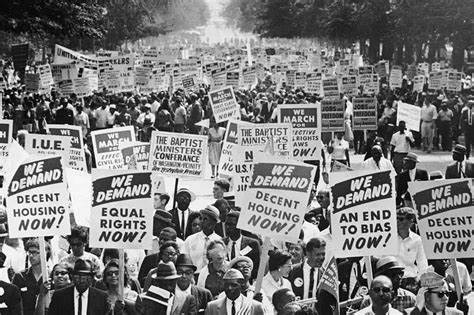
i, b, thiab adhering rau q 1968 h. o. Dr. Martin Luther King, k. e 4, 1968, Thawj Tswj Hwm Lyndon Johnson siv qhov kev puas tsuaj hauv lub teb chaws no los yaum kom daim nqi ceev Congressional kev pom zoo. Txij li cov 1966 qhib vaj tse marches nyob rau hauv Chicago, Dr. King’s name had been closely associated with the fair housing legislation. President Johnson viewed the Act as a fitting memorial to the man’s life work, and wished to have the Act passed prior to Dr. King’s funeral in Atlanta.’ President Lyndon Johnson signs the Fair Housing Act of 1968.
The Fair Housing Act of 1968 prohibited discrimination concerning the sale, rental and financing of housing based on race, kev ntseeg, national origin or sex. Intended as a follow-up to the Civil Rights Act of 1964, the bill was the subject of a contentious debate in the Senate, but was passed quickly by the House of Representatives in the days after the assassination of civil rights leader Martin Luther King, k. The Fair Housing Act stands as the final great legislative achievement of the civil rights era. [Tau qhov twg los: Fair Housing Act 1968, Federal & Definition | HISTORY ]
HISTORY OF FAIR HOUSING
On April 11, 1968, President Lyndon Johnson signed the Civil Rights Act of 1968, which was meant as a follow-up to the Civil Rights Act of 1964. Tus 1968 Act expanded on previous acts and prohibited discrimination concerning the sale, nqi xauj tsev, and financing of housing based on race, kev ntseeg, neeg txawv tebchaws, pw ua ke, (and as amended) handicap and family status. Title VIII of the Act is also known as the Fair Housing Act (of 1968).
The enactment of the federal Fair Housing Act on April 11, 1968 came only after a long and difficult journey. From 1966-1967, Congress regularly considered the fair housing bill, but failed to garner a strong enough majority for its passage. Txawm li cas los, when the Rev. Dr. Martin Luther King, k. e 4, 1968, Thawj Tswj Hwm Lyndon Johnson siv qhov kev puas tsuaj hauv lub teb chaws no los yaum kom daim nqi ceev Congressional kev pom zoo. Txij li cov 1966 qhib vaj tse marches nyob rau hauv Chicago, Dr. King’s name had been closely associated with the fair housing legislation. President Johnson viewed the Act as a fitting memorial to the man’s life work, and wished to have the Act passed prior to Dr. King’s funeral in Atlanta.
Another significant issue during this time period was the growing casualty list from Vietnam. The deaths in Vietnam fell heaviest upon young, poor African-American and Hispanic infantrymen. Txawm li cas los, on the home front, these men’s families could not purchase or rent homes in certain residential developments on account of their race or national origin. Specialized organizations like the NAACP, the GI Forum, the National Association of Real Estate Brokers (NAREB) and the National Committee Against Discrimination In Housing lobbied hard for the Senate to pass the Fair Housing Act and remedy this inequity. Senators Edward Brooke and Edward Kennedy of Massachusetts argued deeply for the passage of this legislation. In particular, Senator Brooke, the first African-American ever to be elected to the Senate by popular vote, T.
a. u, and destruction mounting in every part of the United States, h, a. i, s, which President Johnson then signed into law.
t, u. s, George Romney, k. h, Secretary Romney had successfully campaigned for ratification of a state constitutional provision that prohibited discrimination in housing. President Nixon also appointed Samuel Simmons as the first Assistant Secretary for Equal Housing Opportunity.
When April 1969 arrived, HUD could not wait to celebrate the Act’s 1st Anniversary. Within that inaugural year, HUD completed the Title VIII Field Operations Handbook, and instituted a formalized complaint process. In truly festive fashion, HUD hosted a gala event in the Grand Ballroom of New York’s Plaza Hotel. From across the nation, advocates and politicians shared in this marvelous evening, including one of the organizations that started it all — the National Committee Against Discrimination In Housing.
In subsequent years, the tradition of celebrating Fair Housing Month grew larger and larger. Governors began to issue proclamations that designated April as “Fair Housing Month,” and schools across the country sponsored poster and essay contests that focused upon fair housing issues. Regional winners from these contests often enjoyed trips to Washington, DC for events with HUD and their Congressional representatives.
Under former Secretaries James T. Lynn and Carla Hills, with the cooperation of the National Association of Homebuilders, National Association of Realtors, and the American Advertising Council these groups adopted fair housing as their theme and provided “free” billboard space throughout the nation. These large 20-foot by 14-foot billboards placed the fair housing message in neighborhoods, industrial centers, agrarian regions and urban cores. Txhua cheeb tsam kuj muaj nws cov kev ua koob tsheej, cov rooj sib tham, noj hmo, kev sib tw thiab xov tooj cua-TV qhia tau hais tias muaj HUD, lub xeev thiab ntiag tug ncaj ncees vaj tse kws txawj thiab cov tub ceev xwm. Cov kev ua koob tsheej no txuas ntxiv tus ntsuj plig tom qab tus thawj zaj ntawm Txoj Cai, thiab nco ntsoov fondly los ntawm cov neeg uas tau nyob ntawd txij thaum pib. [Tau qhov twg los: Keeb kwm ntawm Vaj Tse Ncaj Ncees – HUD | HUD.gov / TUAJ. Fai ntawm thiab tswv (HUD) ]