
ข่าวล่าสุด


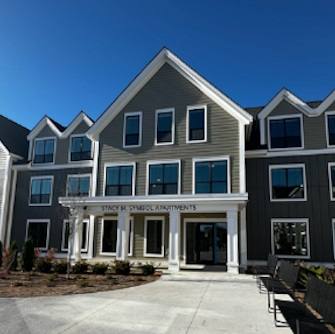

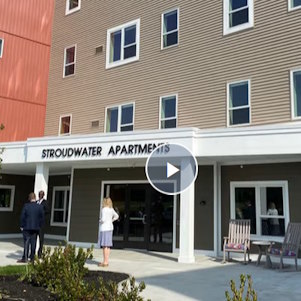
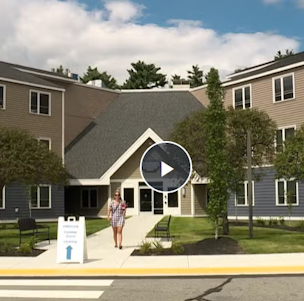

 Biddeford ยินดีต้อนรับผู้พัฒนาที่อยู่อาศัยราคาไม่แพงที่ถูกปฏิเสธโดยผู้มีสิทธิเลือกตั้งของ Cumberland

บันทึกของเวสต์บรูก
สหรัฐฯ. การเคหะและการพัฒนาเมืองรองผู้ช่วยเลขานุการ Rich Monocchio เยี่ยมชมคุณสมบัติของ Westbrook Housing Authority เมื่อวันจันทร์, กรกฎาคม 24.
 กรมตำรวจเวสต์บรูก
ขอขอบคุณชุมชน, พันธมิตรทางธุรกิจของเรา, และที่อยู่อาศัยเวสต์บรูก, เรามี 60+ เป้สะพายหลังที่เต็มไปด้วยสิ่งของที่เราจะสามารถบริจาคให้กับนักเรียนในท้องถิ่นคืนนี้ที่ National Night Out! ขอขอบคุณทุกคนที่บริจาคและช่วยอำนวยความสะดวกในเรื่องนี้!

500-โครงการอพาร์ตเมนต์ Westbrook บนกระดานวาดภาพ
 หน่วยที่อยู่อาศัยราคาไม่แพงใหม่ได้รับการอนุมัติสำหรับ Westbrook
 55 อพาร์ตเมนต์ได้รับการอนุมัติสำหรับไซต์ตรงข้ามกับ Westbrook High School
 อาคารอพาร์ตเมนต์อาวุโสเดินหน้าต่อไปใน Westbrook
ประกาศสาธารณะ
New FY 2027 Draft Annual Plan
สิงหาคม 17, 2026
The FY2027 Annual PHA Plan supplements WHA’s 5-Year Plan, covering FY 2025 through FY 2029, and provides updates for its established goals. Further, the Plan certifies to HUD that WHA is complying with federal regulations and requirements.
There will be a public hearing on Tuesday, ตุลาคม 6, 2026, ที่ 9:00am, at Westbrook Housing’s Main Conference Room, 30 ลิซ่าฮาร์ไดรฟ์, Westbrook, ME.

วิธีที่ Westbrook Housing เป็นเจ้าของอดีตหัวหน้า HUD ของรัฐบาลกลางของประเทศ
โดยนักเขียนเจ้าหน้าที่ Robert Lowell
จอห์น คอนแคนนอน ชาวพอร์ตแลนด์, อดีตผู้อำนวยการสหรัฐ. กรมที่อยู่อาศัยและการพัฒนาเมือง, กำลังเข้ามารับตำแหน่งผู้อำนวยการบริหารคนใหม่ของ Westbrook Housing Authority.
Concannon กำลังพักหายใจขณะหาเงินทุนเพื่อขยายจำนวนท้องถิ่น, หน่วยที่อยู่อาศัยราคาไม่แพง.
“เรากำลังจับตาดูงบประมาณของรัฐบาลกลางอย่างใกล้ชิด,” Concannon กล่าวในห้องประชุมของเขาที่ Westbrook Housing. “เรากำลังเฝ้าดูเพื่อดูว่าเกิดอะไรขึ้น”
Concannon ปิดรับหน้าที่ในตำแหน่งผู้อำนวยการ HUD ในเดือนมิถุนายนและเข้ารับตำแหน่งในเดือนกรกฎาคม 1 ที่หมู่บ้านเวสต์บรูก, ต่อจากคริส ลาโรช, ใครเกษียณแล้ว. คณะกรรมการเจ็ดคนของหน่วยงานการเคหะได้ว่าจ้าง Concannon หลังจากการค้นหาทั่วประเทศ.
“เราได้มาก, โชคดีมากที่ได้เขามา,” โคเล็ตต์แก็กนอน, ประธานคณะกรรมาธิการการเคหะเวสต์บรูก, กล่าวในโทรศัพท์เมื่อวันจันทร์.
สำเร็จการศึกษาจากวิทยาลัยเยซูอิตแห่งโฮลีครอส, Concannon อาสาในโครงการ Jesuit เพื่อช่วยเหลือคนไร้บ้านบน Skid Row ในลอสแอนเจลิส 2003, และยังทำหน้าที่คล้ายกันในชิคาโกจนกระทั่ง 2006. ภายหลังสำเร็จการศึกษา, เขาสมัครงานกับ HUD ได้สำเร็จ, เปิดตัวอาชีพช่วยเหลือผู้คนที่ต้องการที่อยู่อาศัย.
Concannon ได้รับการว่าจ้างระหว่างดำรงตำแหน่งประธานาธิบดี Barack Obama, ซึ่งต่อมาเขาได้พบกันในงานปาร์ตี้คริสต์มาสที่ทำเนียบขาว.
เขาได้รับการเลื่อนตำแหน่งเป็นรองผู้อำนวยการ HUD ใน 2018 และเข้าเป็นกรรมการในเดือนธันวาคม 2022. สำนักงานของ Concannon อยู่ในอาคาร HUD ไม่ไกลจาก National Mall ในเมืองหลวงของประเทศ. ห้องทำงานของเลขานุการ HUD อยู่ที่ชั้นบนสุด.
Concannon ทำหน้าที่ภายใต้ประธานาธิบดีสามคน. “ฉันรายงานตัวกับรองผู้ช่วยเลขานุการ HUD,” เขากล่าว.
ที่ฮัด, Concannon มุ่งเน้นไปที่การพัฒนานโยบายที่เป็นนวัตกรรมเพื่อขยายโอกาสที่อยู่อาศัยเพื่อเป็นประโยชน์ต่อผู้คนมากขึ้น และเขาดูแลพนักงานที่กระจายอยู่ทั่วประเทศ. เขาทำงานร่วมกับ 140 หน่วยงานการเคหะทั่วประเทศ, เสิร์ฟ 600,000 ครอบครัว. “เราต้องเดินทางเยอะมาก,” เขากล่าว.
ก่อนลงจอดที่เสาเวสต์บรูก, เขาย้ายครอบครัวมาที่นี่เมื่อสี่ปีที่แล้ว. เขาและภรรยาของเขา, แอน, มีลูกสองคน, ทุกเพศทุกวัย 5 และ 2.
Concannon เล่นฟุตบอลที่ Cheverus High School ในพอร์ตแลนด์ และเป็น 1998 เรียนจบ. ภรรยาของเขาเป็นบัณฑิตเดียริ่ง, แต่พวกเขาพบกันที่ฟิลาเดลเฟีย, ที่ที่เขาเคยอาศัยอยู่ขณะทำงานให้กับ HUD.
เขาสมัครเพื่อเปิด Westbrook Housing หลังจากเรียนรู้เกี่ยวกับความพร้อมของมันจากการเชื่อมต่อของรัฐบาลในรัฐเมน. Gagnon อธิบายว่า Concannon ยังเยาว์วัยและมีอารมณ์ขันดี.
ในฐานะคนวงในของวอชิงตัน, การนัดหมายของ Concannon ที่งาน Westbrook Housing “ในความโปรดปรานของเรา,”แก็กนอนกล่าวว่า.
เวสต์บที่อยู่อาศัยมี 14 คุณสมบัติด้วย 1,800 ครัวเรือนและเขามีแผนที่จะเดินตามเส้นทางการเติบโตที่ลาโรชก่อตั้งขึ้น.
Concannon กล่าวว่า Westbrook Housing ได้รับเชิญไปที่ Biddeford ซึ่งมีสี่โครงการในท่อ. เขาให้เครดิตลาโรชและคณะกรรมาธิการที่ได้รับการแต่งตั้งจากนายกเทศมนตรีด้วย “องค์กรที่ดำเนินกิจการอย่างดี”
เขาจะดูแลพนักงานของ 50 พนักงานและได้พบปะกับพวกเขา.
เขาชอบเดินเล่นสบาย ๆ หลังจากวิ่งออกไปตามหลังเพื่อจับ 6 การพบปะดังกล่าว. เที่ยวบินจากพอร์ตแลนด์ไปวอชิงตันและเช็คอินเข้าโรงแรม.
ตอนนี้กลับมาถึงบ้านแล้ว, เขาได้มีเวลาอยู่กับครอบครัว และทั้งเขาและภรรยาก็มีญาติกันอยู่ในพื้นที่พอร์ตแลนด์.

ลาโรชอำลาตำแหน่งเวสต์บรูกเฮาส์
โดยนักเขียนเจ้าหน้าที่ Robert Lowell
Chris LaRoche จะเกษียณในวันจันทร์, มิถุนายน 30, ในตำแหน่งผู้อำนวยการบริหารของ Westbrook Housing หลังจากผ่านไปกว่าทศวรรษ. จอห์น คอนแคนนอน, เป็นชาวพอร์ตแลนด์, ได้รับการเสนอชื่อให้สืบทอดตำแหน่งต่อจากลาโรช. Concannon เข้ามาร่วมงานกับ Westbrook จากตำแหน่งผู้กำกับที่สหรัฐอเมริกา. กรมการเคหะและการพัฒนาเมืองในกรุงวอชิงตัน, ดี.ซี.
“ฉันกำลังมอบกุญแจให้เขา,” ลาโรชกล่าวในการให้สัมภาษณ์เมื่อเดือนมิถุนายน 20 ที่สำนักงานเวสต์บรูกของเขา.
ลาโรชดำรงตำแหน่งกรรมการบริหารมามากกว่า 12 ปี. “ฉันเหนื่อยนิดหน่อย,” เขากล่าว. “ฉันจะไปพักผ่อนช่วงฤดูร้อน”
เขาวางแผนที่จะใช้เวลาอยู่กับครอบครัวและประท้วงเพื่อประชาธิปไตย. LaRoche อาศัยอยู่ในยอร์กเคาน์ตี้และวางแผนที่จะทำงานอาสาสมัคร, ประท้วง, และเข้าเรียนหลักสูตรที่ University of New England และ UMaine System. “ฉันรอคอยที่จะเป็นสมาชิกของชุมชน,” เขากล่าว. “สิ่งที่ใหญ่ที่สุดคือการตอบแทนชุมชน ฉันต้องการแจกแซนด์วิช”
Westbrook ที่อยู่อาศัย, ก่อตั้งขึ้นใน 1969 และดูแลโดยคณะกรรมการที่ได้รับการแต่งตั้งจากนายกเทศมนตรี, มอบโอกาสที่อยู่อาศัยราคาไม่แพงด้วย 793 หน่วยใน 14 การพัฒนา. “เราเติบโตขึ้นประมาณ 40%” เขากล่าวโดยอ้างอิงถึงวาระการดำรงตำแหน่งของเขา.
นอกจากนี้หน่วยงานยังบริหารจัดการมากกว่า 1,000 บัตรกำนัลในส่วน 8 โครงการเพื่อให้ผู้มีรายได้น้อยสามารถอาศัยอยู่ในอพาร์ตเมนต์ส่วนตัวในเมืองได้.
งบประมาณที่อยู่อาศัย Westbrook ทั้งหมดควบคู่ไปกับ Westbrook Development Corp. มีค่าใช้จ่ายในการดำเนินงานประจำปีของ $20 ล้านด้วย $130 สินทรัพย์รวมล้านบาท.
ลาโรชอธิบายว่างานของผู้อำนวยการบริหารรายนี้ให้ผลดีตามที่ต้องการ. ลาโรชดูแลพนักงานของ 50 พนักงานและเขารู้สึกถึงความรับผิดชอบต่อพวกเขา. “ความเครียดก็จะหมดไป,” เขากล่าว.
อดีตบาทหลวงคาทอลิกคนหนึ่ง, หน่วยยามฝั่งและทหารผ่านศึกกองทัพเรือ, LaRoche เริ่มให้บริการสาธารณะที่ York County Community Action Corp. เขาออกเดินทางผจญภัยเพื่อเดินป่า 2,182 ไมล์จากเส้นทาง Appalachian Trail จากภูเขา. Katahdin ในรัฐเมนถึงจอร์เจีย. “ทุกไมล์ของมัน,” เขากล่าว.
เขาเห็นงูหางกระดิ่งมากมายและหยุดนับจำนวนหมีหลังจากนั้น 25. เช้าวันหนึ่ง เวลาตี 5. มีหมีตัวหนึ่งอยู่นอกเต็นท์ของเขา, แต่เดินจากไป. “อันนั้นทำให้ฉันสนใจ,” เขากล่าว.
ไปตามเส้นทาง, เขาได้พบกับผู้คนหลากหลาย; เขาเดินป่าร่วมกับคนไร้บ้านและผู้บริหารระดับสูงในองค์กรขนาดใหญ่.
เบบี้บูมเมอร์, ลาโรชเติบโตขึ้นมาในการ์ดเนอร์, แมสซาชูเซต, ชุมชนที่เขาอธิบายเหมือนกับเวสต์บรูกมาก. เขากล่าวว่าเวสต์บรูกยอมรับเขาเป็นหนึ่งในพวกเขาเมื่อเขารับตำแหน่งต่อจากจอห์น กัลลาเกอร์ที่เวสต์บรูก เฮาซิง. 'คนที่เราให้บริการมีอยู่ทุกวัน, คนธรรมดาที่ทำงานหนัก,” เขากล่าว”ความต้องการมีมาก … (และ) ฉันหวังว่าผู้คนในเวสต์บรูกจะรู้สึกว่าฉันได้รับใช้พวกเขาเช่นเดียวกับจอห์น”
เขายกย่อง Westbrook สำหรับการเป็นอาสาสมัครและความภาคภูมิใจของชุมชน. “ฉันทำงานมาทั่วรัฐเมน และไม่มีชุมชนใดเหมือนเวสต์บรูก,” เขากล่าว.
ในพิธีเมื่อต้นเดือนนี้, นายกเทศมนตรี David Morse มอบกุญแจเมืองให้กับ LaRoche และยกย่อง LaRoche ในฐานะ “ทรัพยากรที่เหลือเชื่อ” ใครได้ทำงาน “อย่างไม่รู้จักเหน็ดเหนื่อย”

06/16/2025
ด้วยความยินดีอย่างยิ่งที่ได้แนะนำคุณนาย. จอห์น คอนแคนนอน ดำรงตำแหน่งผู้อำนวยการบริหารของการเคหะแห่งเมืองเวสต์บรูก. เมื่อข้าพเจ้าเกษียณอายุ, มีผลใช้บังคับวันที่ 30 มิถุนายน, John จะนำการเคหะและ Westbrook Development Corporation ไปสู่ยุคต่อไปเพื่อพัฒนาภารกิจในการขจัดความยากจนและเพิ่มโอกาสทางเศรษฐกิจผ่านที่อยู่อาศัยที่มีคุณภาพราคาไม่แพงสำหรับชุมชนและภูมิภาค. คณะกรรมการจะได้รับการยกย่องสำหรับวิสัยทัศน์และความมุ่งมั่นต่อภารกิจของเราผ่านการคัดเลือก John Concannon และวิสัยทัศน์และความเชี่ยวชาญของเขาเพื่อนำองค์กรไปสู่อนาคต.
ขณะที่ฉันจากไป, ฉันขอแสดงความนับถือต่อความมุ่งมั่นอย่างสูง, มืออาชีพ, การดูแล, และเพื่อนร่วมงานที่เก่งกาจซึ่งฉันโชคดีมากที่ได้อยู่เคียงข้างฉัน. สิ่งเหล่านี้ทำให้เราสามารถรักษาจุดสุดยอดของประสิทธิภาพไว้ได้ และขยายโปรแกรมและการผลิตของเราในช่วงสิบสองปีที่ผ่านมา. ฉันรู้สึกขอบคุณเจ้าหน้าที่ของ Westbrook Housing Authority และ Westbrook Development Corporation ตลอดไป.
ฉันรู้สึกขอบคุณและเป็นเกียรติตลอดไปที่ได้ทำหน้าที่คณะกรรมการบริหารของ Westbrook Housing ที่ให้การสนับสนุนและมีวิสัยทัศน์ และคณะกรรมการบริหารของ Westbrook Development Corporation. ถือเป็นเกียรติและสิทธิพิเศษที่ได้ให้บริการผู้คนในเมืองเวสต์บรูก เนื่องจากเป็นเกียรติที่ได้ให้บริการควบคู่ไปกับการบริหารเมืองที่ทุ่มเทและเจ้าหน้าที่ที่ได้รับการเลือกตั้งซึ่งสนับสนุนการเคหะอย่างขยันขันแข็งและบทบาทของฉันในการจัดหาคุณภาพ, ปลอดภัย, ที่อยู่อาศัยราคาไม่แพงในพื้นที่.
ขอแสดงความนับถือ,
คริสโตเฟอร์ ลาโรช
ผู้อำนวยการบริหาร
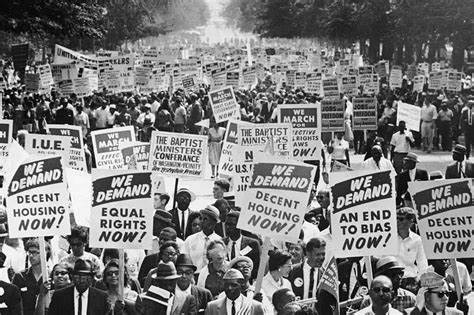
Westbrook Housing Authority มีความภาคภูมิใจในการเฉลิมฉลอง, การส่งเสริม, และยึดมั่นใน การเคหะที่เป็นธรรมตามพระราชบัญญัติสิทธิพลเมืองของ 1968 เนื่องจากเรารับทราบกฎหมาย Fair Housing Act และการตอบสนองของประธานาธิบดีลินดอน จอห์นสันต่อความต้องการของประชาชนในสหรัฐอเมริกา. “…เมื่อพระศาสดา. ดร. มาร์ติน ลูเธอร์ คิง, จูเนียร์. ถูกลอบสังหารเมื่อเดือนเมษายน 4, 1968, ประธานาธิบดีลินดอน จอห์นสันใช้โศกนาฏกรรมระดับชาติครั้งนี้เพื่อเรียกร้องให้รัฐสภาอนุมัติร่างกฎหมายนี้อย่างรวดเร็ว. ตั้งแต่วันที่ 1966 พิธีเปิดบ้านเดินขบวนในชิคาโก, ดร. ชื่อของคิงมีความเกี่ยวข้องอย่างใกล้ชิดกับกฎหมายที่อยู่อาศัยที่เป็นธรรม. ประธานาธิบดีจอห์นสันมองว่าพระราชบัญญัติดังกล่าวเป็นอนุสรณ์ที่เหมาะสมสำหรับงานชีวิตของชายผู้นี้, และอยากให้พระราชบัญญัติผ่านก่อน ดร. งานศพของกษัตริย์ในแอตแลนตา' ประธานาธิบดีลินดอน จอห์นสัน ลงนามในกฎหมาย Fair Housing Act of 1968.
พระราชบัญญัติการเคหะที่เป็นธรรมของ 1968 ห้ามเลือกปฏิบัติเกี่ยวกับการขาย, การเช่าและการจัดหาที่อยู่อาศัยตามเชื้อชาติ, ศาสนา, ชาติกำเนิดหรือเพศ. มีวัตถุประสงค์เพื่อติดตามผลพระราชบัญญัติสิทธิพลเมืองของ 1964, ร่างกฎหมายดังกล่าวเป็นประเด็นถกเถียงในวุฒิสภา, แต่สภาผู้แทนราษฎรก็ผ่านอย่างรวดเร็วในช่วงไม่กี่วันหลังจากการลอบสังหารผู้นำด้านสิทธิมนุษยชน มาร์ติน ลูเธอร์ คิง, จูเนียร์. พระราชบัญญัติการเคหะที่เป็นธรรมถือเป็นความสำเร็จทางกฎหมายที่ยิ่งใหญ่ครั้งสุดท้ายของยุคสิทธิพลเมือง. [แหล่ง: พระราชบัญญัติการเคหะที่เป็นธรรม 1968, รัฐบาลกลาง & คำนิยาม | ประวัติศาสตร์ ]
ประวัติความเป็นมาของที่อยู่อาศัยที่ยุติธรรม
เมื่อเดือนเมษายน 11, 1968, ประธานาธิบดีลินดอน จอห์นสัน ลงนามในกฎหมายสิทธิพลเมืองของ 1968, ซึ่งหมายถึงการติดตามผลของพระราชบัญญัติสิทธิพลเมืองของ 1964. The 1968 พระราชบัญญัติขยายจากการกระทำก่อนหน้านี้และห้ามการเลือกปฏิบัติเกี่ยวกับการขาย, ค่าเช่า, และการจัดหาที่อยู่อาศัยตามเชื้อชาติ, ศาสนา, ชาติกำเนิด, เพศ, (และตามที่แก้ไขเพิ่มเติม) ความพิการและสถานะครอบครัว. หัวข้อ VIII ของพระราชบัญญัตินี้เรียกอีกอย่างว่าพระราชบัญญัติการเคหะที่เป็นธรรม (ของ 1968).
การตราพระราชบัญญัติการเคหะที่เป็นธรรมของรัฐบาลกลางในเดือนเมษายน 11, 1968 มาหลังจากการเดินทางอันยาวนานและยากลำบากเท่านั้น. จาก 1966-1967, สภาคองเกรสพิจารณาร่างพระราชบัญญัติการเคหะที่เป็นธรรมเป็นประจำ, แต่ไม่สามารถรวบรวมเสียงข้างมากเพียงพอสำหรับการผ่านพ้นไปได้. อย่างไรก็ตาม, เมื่อพระศาสดา. ดร. มาร์ติน ลูเธอร์ คิง, จูเนียร์. ถูกลอบสังหารเมื่อเดือนเมษายน 4, 1968, ประธานาธิบดีลินดอน จอห์นสันใช้โศกนาฏกรรมระดับชาติครั้งนี้เพื่อเรียกร้องให้รัฐสภาอนุมัติร่างกฎหมายนี้อย่างรวดเร็ว. ตั้งแต่วันที่ 1966 พิธีเปิดบ้านเดินขบวนในชิคาโก, ดร. ชื่อของคิงมีความเกี่ยวข้องอย่างใกล้ชิดกับกฎหมายที่อยู่อาศัยที่เป็นธรรม. ประธานาธิบดีจอห์นสันมองว่าพระราชบัญญัติดังกล่าวเป็นอนุสรณ์ที่เหมาะสมสำหรับงานชีวิตของชายผู้นี้, และอยากให้พระราชบัญญัติผ่านก่อน ดร. งานศพของกษัตริย์ในแอตแลนตา.
ประเด็นสำคัญอีกประการหนึ่งในช่วงเวลานี้คือจำนวนผู้เสียชีวิตจากเวียดนามที่เพิ่มขึ้น. การเสียชีวิตในเวียดนามตกหนักที่สุดในหมู่เด็ก, ทหารราบแอฟริกันอเมริกันและฮิสแปนิกที่ยากจน. อย่างไรก็ตาม, ที่หน้าบ้าน, ครอบครัวของผู้ชายเหล่านี้ไม่สามารถซื้อหรือเช่าบ้านในโครงการที่อยู่อาศัยบางแห่งได้เนื่องจากเชื้อชาติหรือชาติกำเนิด. องค์กรเฉพาะทางเช่น NAACP, ฟอรัม GI, สมาคมนายหน้าอสังหาริมทรัพย์แห่งชาติ (มันไม่ทำงาน) และคณะกรรมการต่อต้านการเลือกปฏิบัติในการเคหะแห่งชาติ ล็อบบี้อย่างหนักเพื่อให้วุฒิสภาผ่านร่างพระราชบัญญัติการเคหะที่เป็นธรรมและแก้ไขความไม่เท่าเทียมนี้. วุฒิสมาชิกเอ็ดเวิร์ด บรูคและเอ็ดเวิร์ด เคนเนดีแห่งแมสซาชูเซตส์โต้แย้งอย่างลึกซึ้งเกี่ยวกับการผ่านกฎหมายฉบับนี้. โดยเฉพาะ, วุฒิสมาชิกบรูค, ชาวอเมริกันเชื้อสายแอฟริกันคนแรกที่ได้รับเลือกเข้าสู่วุฒิสภาด้วยคะแนนนิยม, พูดถึงการกลับมาจากสงครามโลกครั้งที่สองเป็นการส่วนตัวและการไม่สามารถจัดหาบ้านที่เขาเลือกให้กับครอบครัวใหม่ได้เนื่องจากเชื้อชาติของเขา.
กับบ้านเมืองที่วุ่นวายหลังจากดร. การลอบสังหารของกษัตริย์, และการทำลายล้างที่เพิ่มขึ้นในทุกส่วนของสหรัฐอเมริกา, คำพูดของประธานาธิบดีจอห์นสันและผู้นำรัฐสภาส่งเสียงระฆังแห่งเหตุผลของสภาผู้แทนราษฎร, ซึ่งต่อมาได้ผ่านพระราชบัญญัติการเคหะที่เป็นธรรม. โดยไม่ต้องถกเถียงกัน, วุฒิสภาปฏิบัติตามสภาตามพระราชบัญญัติ, ซึ่งประธานาธิบดีจอห์นสันได้ลงนามในกฎหมายแล้ว.
อำนาจในการแต่งตั้งเจ้าหน้าที่ชุดแรกที่บริหารจัดการพระราชบัญญัตินี้ตกอยู่กับผู้สืบทอดตำแหน่งของประธานาธิบดีจอห์นสัน, ริชาร์ด นิกสัน. ประธานาธิบดีนิกสันแตะผู้ว่าการรัฐมิชิแกนในขณะนั้น, จอร์จ รอมนีย์, สำหรับตำแหน่งรัฐมนตรีกระทรวงการเคหะและการพัฒนาเมือง. ขณะดำรงตำแหน่งผู้ว่าการ, รัฐมนตรีรอมนีย์ประสบความสำเร็จในการรณรงค์ให้สัตยาบันบทบัญญัติตามรัฐธรรมนูญของรัฐที่ห้ามการเลือกปฏิบัติในที่อยู่อาศัย. ประธานาธิบดีนิกสันยังได้แต่งตั้งซามูเอล ซิมมอนส์เป็นผู้ช่วยเลขานุการคนแรกด้านโอกาสที่อยู่อาศัยที่เท่าเทียมกัน.
เมื่อเดือนเมษายน 1969 มาถึงแล้ว, HUD แทบจะรอไม่ไหวที่จะเฉลิมฉลองวันครบรอบ 1 ปีของ Act. ภายในปีแรกนั้น, HUD จัดทำคู่มือการปฏิบัติงานภาคสนามหัวข้อ VIII เสร็จสิ้น, และจัดให้มีกระบวนการร้องเรียนอย่างเป็นทางการ. ตามเทศกาลอย่างแท้จริง, HUD จัดงานกาล่าดินเนอร์ในห้องแกรนด์บอลรูมของโรงแรม Plaza Hotel ในนิวยอร์ก. จากทั่วประเทศ, ผู้สนับสนุนและนักการเมืองร่วมกันในค่ำคืนอันแสนวิเศษนี้, รวมถึงหนึ่งในองค์กรที่เริ่มต้นมันทั้งหมด — คณะกรรมการต่อต้านการเลือกปฏิบัติในการเคหะแห่งชาติ.
ในปีต่อๆ มา, ประเพณีการเฉลิมฉลองเดือนแห่งการเคหะที่เป็นธรรมก็เพิ่มมากขึ้นเรื่อยๆ. ผู้ว่าการรัฐเริ่มออกประกาศที่กำหนดให้เดือนเมษายนเป็น “เดือนที่อยู่อาศัยยุติธรรม,” และโรงเรียนทั่วประเทศสนับสนุนการประกวดโปสเตอร์และเรียงความที่เน้นประเด็นเรื่องที่อยู่อาศัยอย่างยุติธรรม. ผู้ชนะระดับภูมิภาคจากการแข่งขันเหล่านี้มักจะสนุกกับการเดินทางไปวอชิงตัน, DC สำหรับกิจกรรมร่วมกับ HUD และตัวแทนรัฐสภา.
ภายใต้อดีตเลขาธิการ เจมส์ ที. ลินน์ และคาร์ลา ฮิลส์, ด้วยความร่วมมือของสมาคมรับสร้างบ้านแห่งชาติ, สมาคมนายหน้าแห่งชาติ, และสภาการโฆษณาแห่งอเมริกา (American Advertising Council) กลุ่มเหล่านี้ได้นำที่อยู่อาศัยที่เป็นธรรมมาเป็นประเด็นหลักและจัดหาให้ “ฟรี” พื้นที่ป้ายโฆษณาทั่วประเทศ. ป้ายโฆษณาขนาดใหญ่ 20 x 14 ฟุตเหล่านี้วางข้อความเกี่ยวกับที่อยู่อาศัยอย่างยุติธรรมในละแวกใกล้เคียง, ศูนย์อุตสาหกรรม, พื้นที่เกษตรกรรมและแกนกลางเมือง. ทุกภูมิภาคก็มีการเฉลิมฉลองของตัวเองเช่นกัน, การประชุม, อาหารเย็น, การแข่งขันและรายการวิทยุ-โทรทัศน์ที่มี HUD, ผู้เชี่ยวชาญและเจ้าหน้าที่ด้านที่อยู่อาศัยของรัฐและเอกชน. การเฉลิมฉลองเหล่านี้ยังคงสืบสานจิตวิญญาณเบื้องหลังร่างพระราชบัญญัติฉบับดั้งเดิม, และเป็นที่จดจำของผู้ที่อยู่ที่นั่นตั้งแต่แรกเริ่มด้วยความรัก. [แหล่ง: ประวัติความเป็นมาของการเคหะที่ยุติธรรม – ฮัด | HUD.gov / สหรัฐฯ. กรมที่อยู่อาศัยและการพัฒนาเมือง (ฮัด) ]